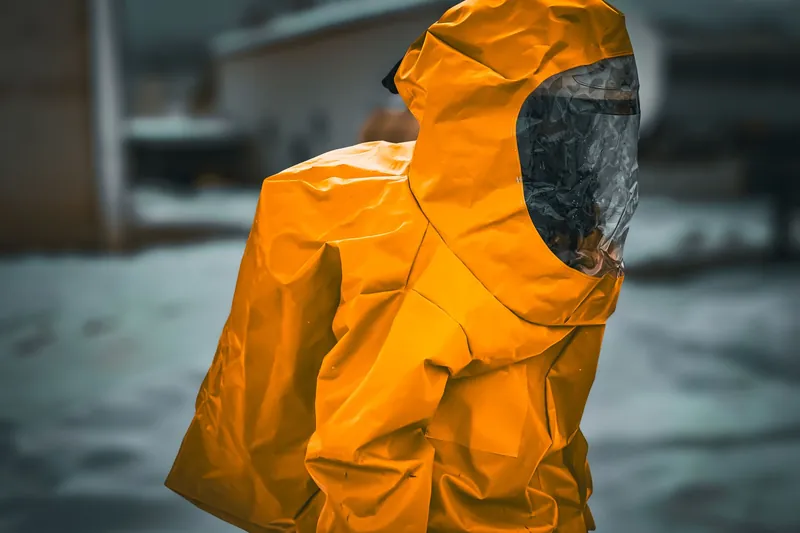
Biohazard Cleanup
Blood, body fluids and other infectious materials are removed, followed by property disinfection.
See biohazard cleanupGet blood, bodily fluids, human waste, sharps and source odor removed from a hotel room, Airbnb, vacation rental or long-term rental in High Shoals. The area is contained, cleaned, disinfected and documented.
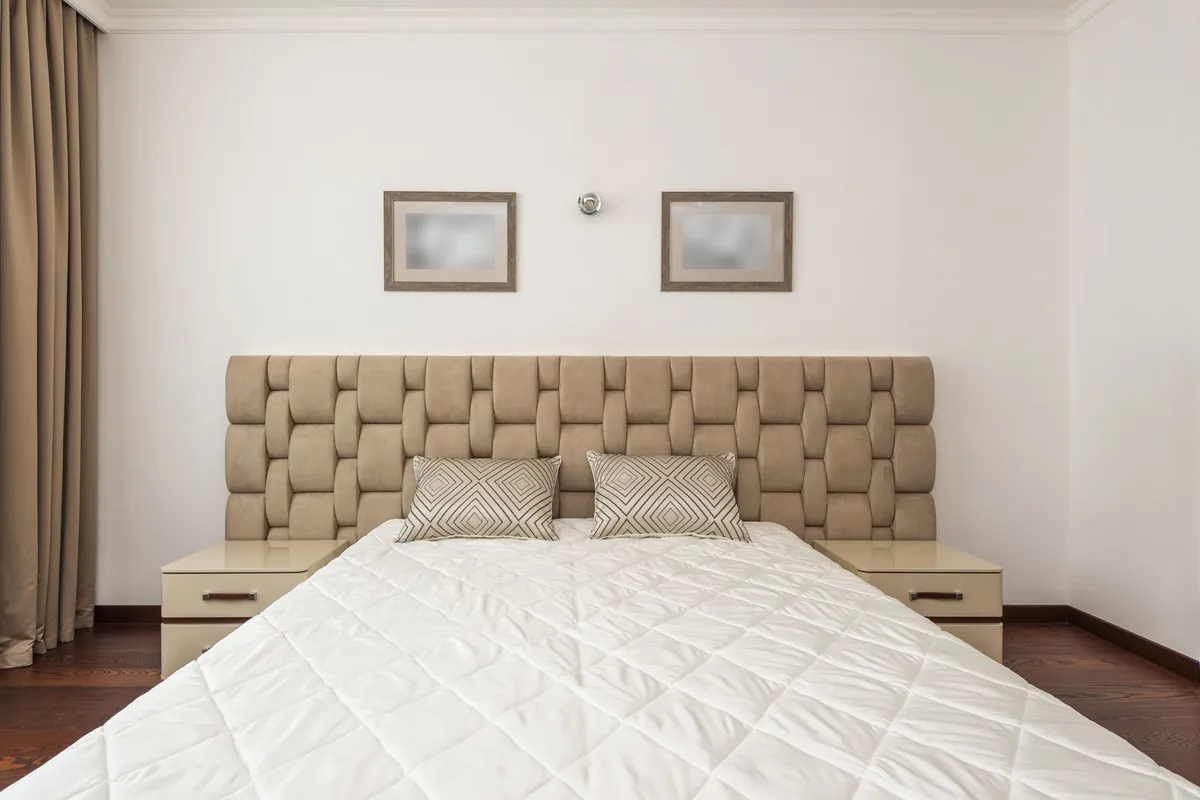
Rental property biohazard cleanup means safely clearing sharps, bodily fluids, human waste and other hazards from apartments, shared areas and rooms used by guests. The work then addresses cleaning, odor and disinfection.
Turnover cleaners address food residue, ordinary dirt and dust. A room with vomit, urine, blood, used needles, feces, decomposition fluids or another possible source of germs needs biohazard cleaning services. Housekeeping staff should stay away from exposures for which they lack the right training and protective equipment.
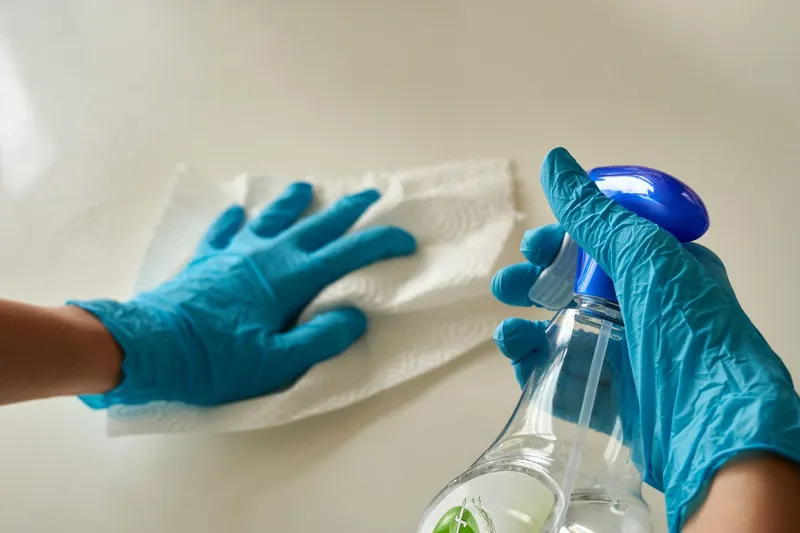
The cleanup process begins by identifying the affected area and nearby paths that a guest, tenant or staff member may have crossed. Cleanup technicians protect surrounding areas, remove porous materials that cannot be disinfected and treat hard surfaces with an EPA-registered disinfectant for the contact time on its label. The goal is a clean space with no contaminated materials or source odor left behind.
Daytime and nighttime calls are answered. Crews come to the property in unmarked vehicles. A building may allow access plans that use its private entrance or service path.
Photographs, invoices, scope notes and waste records can strengthen an insurance claim, guide the owner's repair plans and help return the space to use.
You learn the affected area, which materials are salvageable, which items require removal and what drives the cost prior to starting work.
Each item of personal property receives documentation and careful treatment. Sensitive details are restricted to those needing them to manage access, safety and insurance matters.
Hotel and rental biohazard cleaning is needed whenever ordinary cleaners cannot safely remove the contamination. Common situations include:
A unit may need to remain unavailable for the next reservation when its host finds bodily fluids, drug paraphernalia or strong source odor following checkout.
Safe cleaning at a short-term rental may require first removing affected flooring, linens or soft furnishings.
Contamination that spreads outside a single room may require containment in elevators, hallways, laundry rooms, lobbies and employee spaces.
Puncture-resistant containers and careful pickup methods are necessary for loose sharps and needles. Bare hands and ordinary garbage bags are unsafe.
What you do first can reduce exposure and spreading while protecting useful documentation. Before cleanup technicians come into the rental, follow these steps:
Call (888) 440-9227No dependable published cost range applies only to cleanup in rentals, hotels or Airbnbs. General biohazard cleanup guides put the typical national range at $3,000 to $5,000. They list the residential average as $1,800 to $4,500 and show most residential jobs at $2,500 to $8,000. Fixr publishes a broad span from $1,500 to $25,000. Actual cost reflects what contaminated the space and the extent of its reach, not simply unit size or booking rate.
These ranges come from published national cost guides, not from a site visit. The price for your property is set after the on-site assessment, and you hear it before work starts.
Ask about cost: (888) 440-9227Coverage for rental biohazard cleanup may be available through property insurance when the policy covers the event that caused it. Policy terms, exclusions, the deductible and the facts surrounding the loss affect coverage.
The property owner usually arranges work that affects the building. Final payment responsibility may be determined by the cause, lease terms, relevant law and insurance outcomes.
Personal property insurance and platform protection each include separate exclusions and limits. Save reservation details, messages, incident notes, photos and invoices, then ask the policy contact about the exact event.
Homeowners or renters insurance is usually the first place to ask about cleanup costs. After a death the estate often pays, and in a rental the owner usually arranges the cleanup. Because each program determines who qualifies and which expenses are covered, the person affected should contact it for confirmation.
The owner or manager should accurately explain the cause when reporting the event to the insurance company and confirm the documentation needed before disposing of damaged materials.
Remediation moves through a controlled sequence to safeguard rooms still in use, with documentation at each stage. The contaminant involved, the surface types and the property layout determine the precise scope.
Cleanup technicians assess the affected area, route of entry, adjacent rooms and any surfaces that could require removal, cleaning or testing.
The affected room is closed, its doors are controlled and separate paths are established for clean access and cleanup work to limit spread.
Guest belongings and host-owned items are sorted away from linens and things meant for disposal. Items that may matter to an investigation are not disturbed.
Carpet pad, upholstery, drywall or other porous materials are removed only where contamination soaked too deeply for full disinfection.
Soil is cleaned from hard surfaces first. Next, an EPA-registered disinfectant is used, and the surface stays wet throughout the label's full contact time.
Before using air scrubbers or another odor treatment, technicians remove the source material. If an odor has moved, vents and surrounding areas need inspection.
Sharps and contaminated waste are documented, closed inside appropriate containers and transported using the disposal path required for each waste type.
The cleaned space is checked, work records are completed and any flooring, wall or furniture replacement needs are explained to the owner or manager.
You can call anytime. Your hotel, airbnb and rental biohazard cleanup specialist answers the phone, describes what happens next and works with you on a start time.
Guests, employees and tenants can face serious health risks from sharps, bodily fluids or contamination that is out of sight, even in an area that appears small.
Discretion during the response helps preserve the person's dignity. Restrict access, do not circulate pictures and tell employees only what they must know to prevent entry.
Possible pathogens in blood include hepatitis C, HIV and hepatitis B. According to the CDC, hepatitis B remains viable on surfaces for at least seven days. Dried material therefore needs careful biohazard cleanup.
After soaking into bedding and carpeting, fluid can spread to carpet pad, subflooring, furniture seams and the edges of walls. A surface wipe cannot remove contamination that has soaked underneath.
Can you clean it yourself? A worker whose role, training and protective equipment cover the hazard may be able to clean a small number of drops from a hard, non-absorbent surface. Call for professional cleanup when fluids reached carpet, furniture, unfinished wood or wall cavities, when sharps are present, or when you cannot see the full edge of the affected area.
Where contamination traveled determines what may stay. Hard sealed items are often cleanable. Porous ones come out if complete cleaning and disinfection cannot reach the affected area.
A rental cleanup limited to one room can often be finished in one to three days, although assessment of the space and affected materials is needed before setting the time. Work can take longer if contamination is deep, structural material must be removed or multiple rooms are involved.
| Scene | Typical time on site |
|---|---|
| Hard-surface cleanup limited to one room | Often about one day |
| Typical room with carpet or furniture work | Often one to three days |
| Multiple affected rooms or removal of building materials | May take several days |
Effective odor work starts by locating its source and taking that material out. Used alone, bleach, fragrance or an ozone machine will not clean fluid trapped beneath furniture, in carpet padding, under a subfloor or inside a wall cavity. Air treatment lasts only when source material is first exposed and then cleaned or removed.
HEPA air scrubbers can capture airborne particles following cleanup of the source. In an occupied building, hydroxyl treatment may be appropriate under suitable conditions. Ozone treatment calls for an empty controlled space and careful re-entry procedures. Checks extend to HVAC returns, adjacent units and hallways if the odor spread from its original location.
The full hotel, airbnb and rental biohazard cleanup guide covers what is cleaned or removed, odor and air quality work, and the rules that apply in your state.
Read the full hotel, airbnb and rental biohazard cleanup guideContainment, entry and cleanup plans can be influenced by local housing, population and access details.
With renters in 59.5% of local homes, documenting affected rooms can help tenants and owners understand which materials need removal.
The median home in High Shoals was built in 1984, so cleanup may involve common drywall, carpet, and sheet flooring assemblies.
There are 12 seniors living alone locally, so cleanup communication should be calm, clear, and accessible to distant family members.
The local 72.1% single-family share makes household level privacy practical while affected rooms are isolated and treated.
During your call, ask whether cleanup is available in surrounding communities and ZIP codes.
Blood, body fluids and other infectious materials are removed, followed by property disinfection.
See biohazard cleanup
Walls, carpets, furnishings and hard floors receive blood cleanup, with safe disposal afterward.
See blood cleanup
Homes, care environments and businesses receive bodily fluid cleanup and disinfection.
See bodily fluid cleanup
Cleanup when a death went unnoticed for days, with decomposition and odor control.
See unattended death cleanup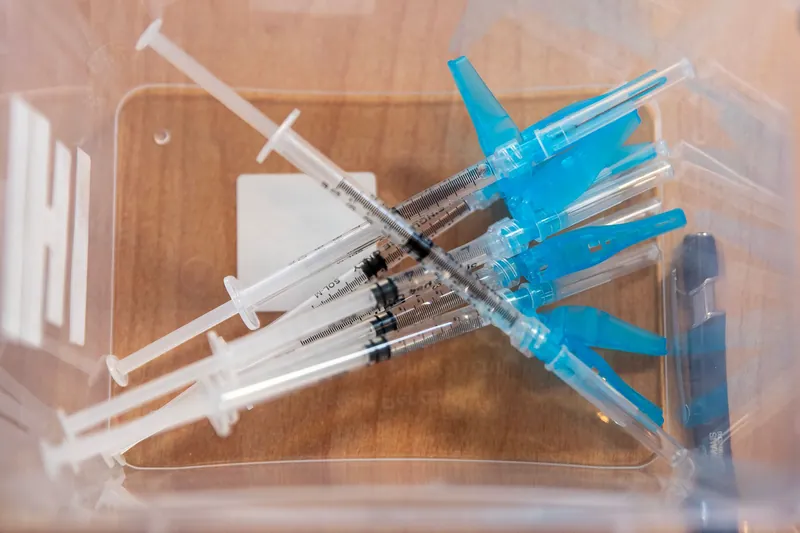
Needles and other sharps are removed from rentals, yards, encampments and parks.
See needle and sharps cleanup
Floors, underlying subfloors and furniture receive urine cleanup with odor removal.
See urine cleanup
Disinfection after vomit cleanup keeps norovirus and other germs from spreading further.
See vomit cleanup
Waste, filth and bodily fluids are cleaned following evictions and tenant departures.
See eviction and tenant move-out biohazard cleanupProfessional cleanup addresses contaminated materials, including human waste, blood, sharps and bodily fluids, in vacation rentals, hotels, Airbnb units and long-term rentals. Technicians restrict entry, remove items that cannot receive full disinfection, clean hard surfaces, keep the correct disinfectant in place for its labeled contact time and treat odor at its source.
An employee may clean a minor spill only if the task is addressed by workplace training, protective equipment and the exposure plan. Use a controlled biohazard cleaning process when a larger spill, material below the surface, sharps or absorbent items are involved. Workplaces must follow requirements in the OSHA Bloodborne Pathogens Standard when employees can be exposed to blood at work.
It depends on whether bodily fluids reached absorbent layers that cannot be fully accessed. A limited issue on a suitable surface can sometimes be treated, but removal is often needed once fluid enters mattresses, upholstery cushions or carpet pad. The item can stay only if all affected surfaces are accessible for cleaning and disinfection, with contamination depth guiding that assessment.
There is no dependable published range only for rental properties. General biohazard cost guides list ranges from $1,800 to $4,500 for a residential average and $3,000 to $5,000 as a typical national range. The affected rooms, surface types, waste, odor work and depth of contamination determine the actual price.
Contact a cleanup professional if you discover human waste, blood, bodily fluids, unsecured needles or possible contamination odor after a guest's stay. Contamination in carpeting, upholstery, mattresses, unfinished wood or wall cavities is another reason to seek professional cleanup. Leave the unit off the booking calendar, and never send a routine turnover cleaner inside to evaluate it.
The person managing or owning the property usually organizes cleanup for building protection and future occupancy. Who ultimately pays may depend on the lease, the cause, local law and the insurance decision. Tell the applicable insurance company about the incident and preserve booking information, notes, pictures, invoices and cleanup paperwork.
Crews carry out respectful, discreet hotel, airbnb and rental biohazard cleanup, arrive in unmarked vehicles and take calls 24 hours a day.