Chemical and Toxic Waste Cleanup
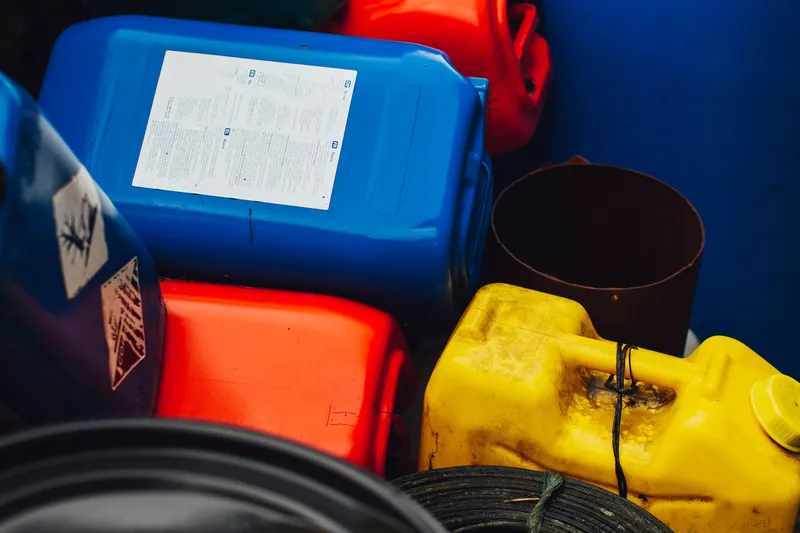
Toxic and chemical waste cleanup includes safe disposal.
See chemical and toxic waste cleanupGet hazardous materials, chemical residue and contaminated items assessed and cleaned in High Shoals. The hazard is identified first so containment, protective equipment, cleaning and waste disposal fit the material.
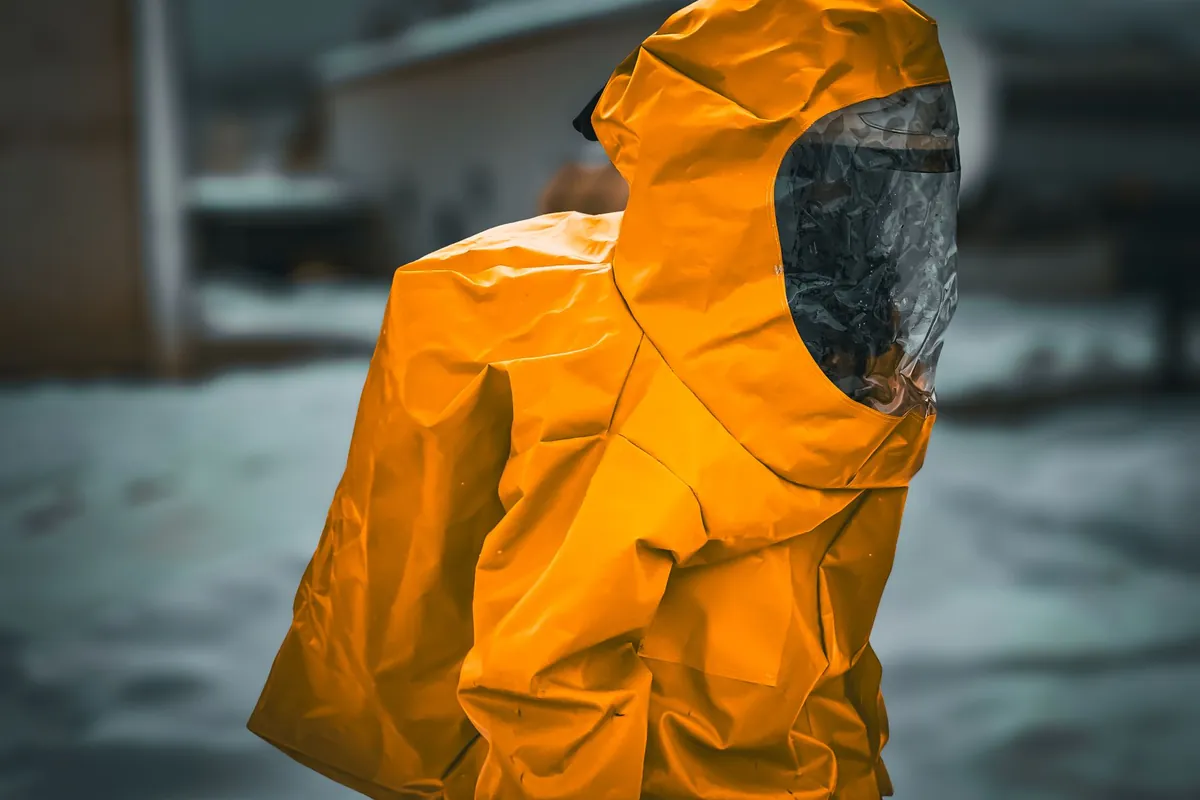
Hazmat cleanup is the controlled removal or treatment of hazardous materials that can harm people, property or the environment through contact, breathing, fire, reaction or contamination.
Unknown powders, corrosive materials, fuel residue, toxic waste, chemical spills and biological hazards are among the possible concerns. Blood or bodily fluids may expose people to bloodborne pathogens. Chemicals present other dangers, including harmful vapor, poisoning, burns and reactions. A cleaner must account for these differences rather than apply one product and one method to every material.
Cleanup starts by gathering details that can identify the substance, including a product label, container, incident report, Safety Data Sheet or test result. Control is then established around the affected and surrounding spaces. Based on the material, technicians select suitable containers, protective gear, absorbents and tools. Anything that is safe to clean can be treated. Contaminated material that cannot be retained is removed for proper waste disposal.
When property managers or insurance companies request information, records of the scope, removed materials and waste, along with photographs, help explain the work.
The explanation covers confirmed details, unanswered identification questions and planned work for the affected area, helping you decide how to move forward.
Cleanable belongings are separated from items that absorbed contamination. If safe handling is possible, crews discuss your valuable or meaningful property with you.
Calls are answered day and night, and crews arrive in unmarked vehicles. You do not have to discuss what happened with visitors or neighbors.
When routine cleaning might transfer dangerous material to a new surface or expose you to it, hazmat cleaning is needed. Common examples include:
Blood, bodily fluids, sharps or other biological material requires a different plan from chemical residue, including bloodborne pathogen precautions.
You should not touch, relocate or reuse exposed machinery, protective equipment or tools until there is a decontamination plan specific to the material.
A garage, basement, workshop or storage area contains spilled chemicals, mixed containers or unknown material that ordinary house cleaning should not disturb.
Floors, machinery and surrounding items may be left with powder, liquid or residue because of a broken bottle, leaking container or process accident.
Avoiding contact and preventing the substance from traveling are your first priorities. Before cleanup professionals begin:
Call (888) 440-9227For a small to mid-size space, the published per-job range starts at $4,000 and reaches $40,000 for each job. The source, One and Done Prep, calls its guide Hazmat Cleaning Cost. It gives initial cleanup with containment a range starting at $6 and ending at $20 per square foot. Wide cost differences reflect the material, square footage, containment needs, waste disposal, inspections and permits. The site needs an assessment before anyone can set the final price.
These national ranges are taken from published cost guides, rather than a property visit. The price for your property is set after the on-site assessment, and you hear it before work starts.
Ask about cost: (888) 440-9227Insurance coverage for hazmat cleanup depends first on whether the policy covers its cause. Payment may then be affected by the deductible, limits and exclusions for contamination.
If there is enough time, find out what documentation your adjuster wants prior to beginning the work. The claim may be clearer with photographs, the work scope, waste documentation and an inventory of discarded items.
The cause, insurance coverage, lease provisions and local requirements can decide who must arrange cleanup and cover its cost. Wait for examination of the records and facts before accepting liability.
Business and property owners should retain incident notes, an inventory, records from the cleanup service and photographs of the affected area captured safely.
Give the insurance company the location and known cause of the release. Request policy details for contamination cleanup, waste disposal, material damage and restoration.
Although the substance changes the exact method used, professional cleaning moves through controlled stages. The steps should prevent contamination from leaving affected areas and shield spaces that remain clean.
The assessment includes any available product labels, Safety Data Sheets and facts about the incident. The affected area, surfaces and possible travel paths are mapped before cleanup starts.
Barriers keep occupants and clean rooms apart from the work area. Openings and travel paths are controlled when the material could move beyond the original spot.
Gloves, clothing, eye protection and respiratory protection are selected for the known hazard and the work being done, not from an one-size-fits-all kit.
The source is stopped when that can be done safely. Compatible absorbents, containers or other controls keep the material from spreading further.
A compatible cleaning technique is applied to salvageable equipment and surfaces. Biological residue is treated with an EPA-registered disinfectant for the full label contact time.
Crews document and package porous or damaged contents when decontamination cannot be completed safely. Personal property is reviewed with you before disposal when conditions allow.
The identified contaminant determines the waste route, while compatible containers keep the material securely closed. Cleanup paperwork can support insurance or property files.
The work area is checked against the cleanup scope. You learn what was cleaned, what was removed and whether repairs or separate restoration services are still needed.
Call any hour. A hazmat cleanup specialist answers, explains the steps and agrees a start time with you.
Contact with hazardous material can seriously harm health through breathing, puncture, swallowing or skin exposure. Using an unsuitable cleaner may also spread it or trigger a reaction.
A liquid, dust or vapor may affect skin, eyes or breathing. The identity and concentration of the material, along with the way contact might happen, determine which protective equipment is suitable.
Dust or fumes may reach surrounding areas, and absorbent belongings can retain odors and contamination. Before anything is cleaned, taken away or put back, its condition should be assessed.
Shelving, baseboards and floor joints can conceal migrating material, while a vehicle cabin can carry it farther. Treating the obvious area alone can miss affected material nearby.
Can you clean it yourself? Do not assume that a small amount is harmless. Use directions from the Safety Data Sheet and product label only when you know the substance, have a controlled release and see that the guidance applies clearly. Keep away from unidentified material or any substance that is highly toxic, spreading or reactive, and seek emergency response for an immediate threat.
Whether something remains depends on both its surface and the hazardous material. Compatible sealed surfaces can sometimes be cleaned, but porous objects may require removal after absorbing residue.
Federal rule 29 CFR 1910.1030 sets requirements for protective equipment, training and handling when workers may be exposed to blood or other potentially infectious material.
Biological contamination calls for disinfectant registered by the EPA, applied so it remains wet for the label's complete contact period. A disinfectant should not be used as a universal chemical neutralizer.
North Carolina treats soaked materials from a biohazard scene as medical waste. Rules from the state Department of Environmental Quality's Solid Waste Section control how it is packaged, stored, transported and treated, so it cannot go in household trash.
Local health and building rules can affect how a contaminated room is cleaned and when it can be used again, so mention any notice you have received from the city or county.
There is no safe fixed timeline for hazmat cleaning until the material, affected area and disposal needs are known. Work may also wait for an active hazard to be controlled or for required testing, permits or inspections.
The full hazmat cleanup guide covers what is cleaned or removed, odor and air quality work, and the rules that apply in your state.
Read the full hazmat cleanup guidePlanning for access, containment and cleanup can depend on local population, housing and entry conditions.
With renters in 59.5% of local homes, documenting affected rooms can help tenants and owners understand which materials need removal.
The median home in High Shoals was built in 1984, so cleanup may involve common drywall, carpet, and sheet flooring assemblies.
There are 12 seniors living alone locally, so cleanup communication should be calm, clear, and accessible to distant family members.
The local 72.1% single-family share makes household level privacy practical while affected rooms are isolated and treated.
During your call, ask whether cleanup is available in surrounding communities and ZIP codes.
Toxic and chemical waste cleanup includes safe disposal.
See chemical and toxic waste cleanup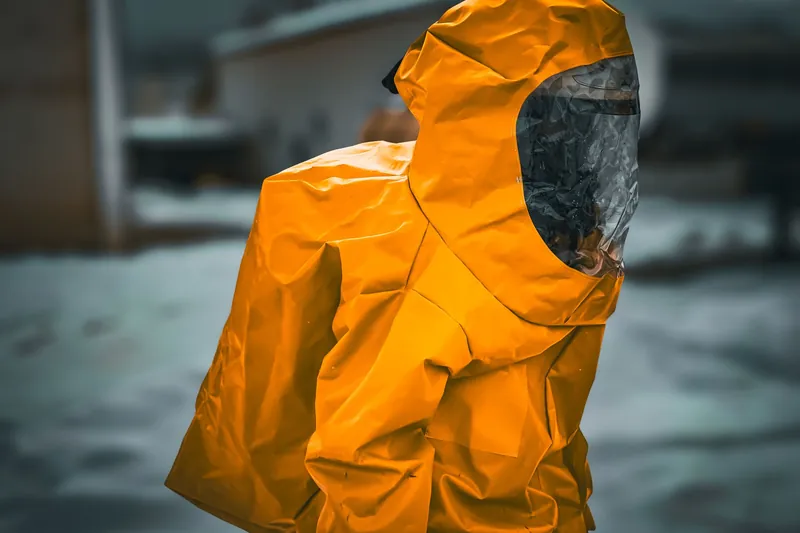
Blood, body fluids and other infectious materials are removed, followed by property disinfection.
See biohazard cleanup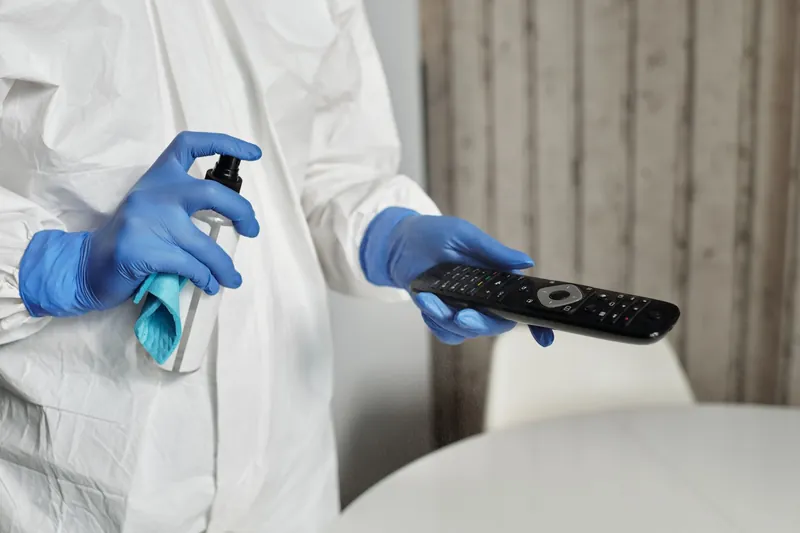
Contamination is cleared through biological remediation, returning the space to safe use.
See biohazard remediation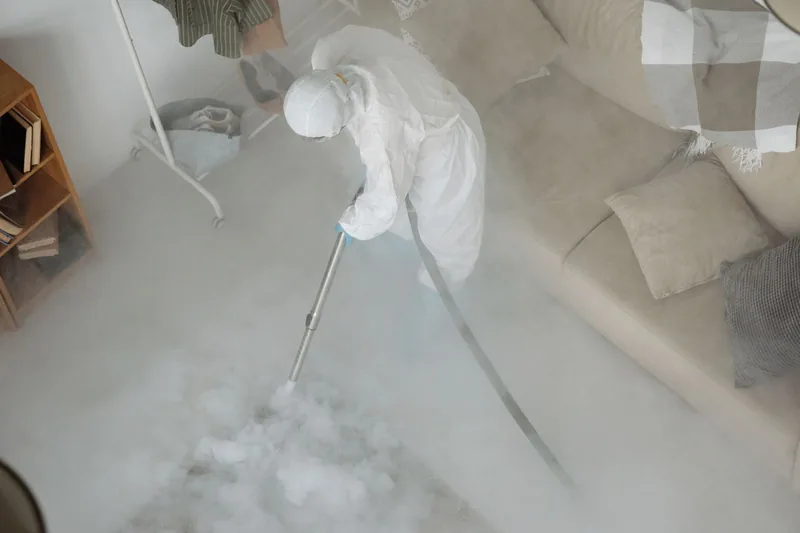
After exposure to infectious or hazardous material, the air, room and surfaces are fully decontaminated.
See biohazard decontamination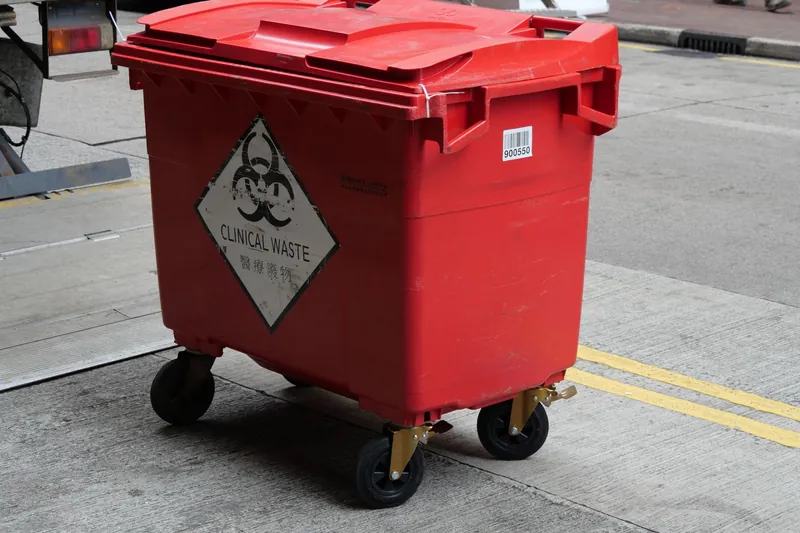
After medical waste removal, disposal takes place through approved treatment facilities.
See medical waste removal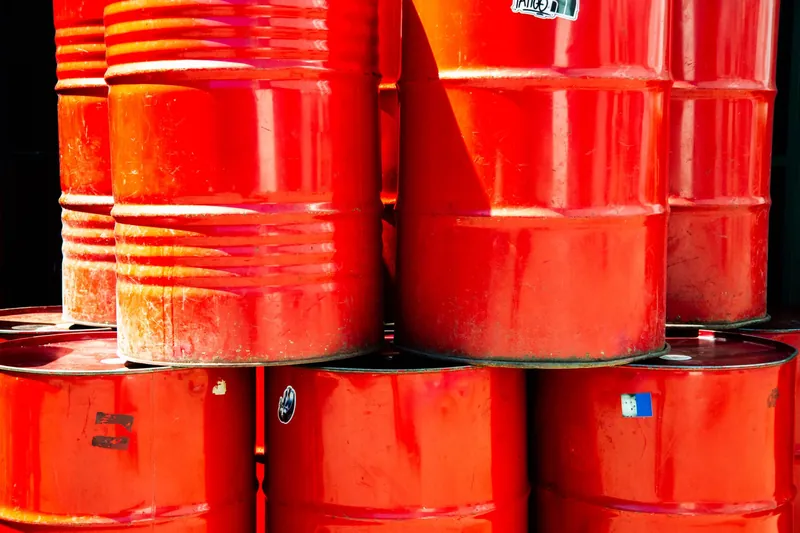
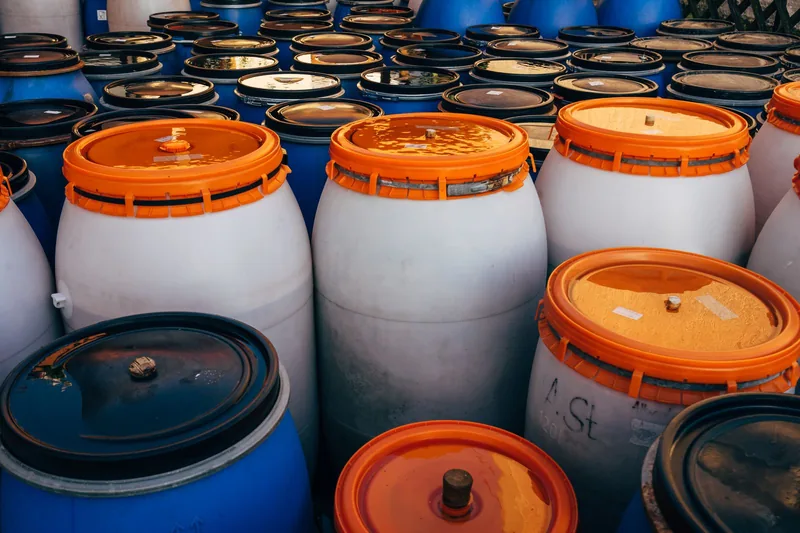
Sealed containers with labels hold biohazard waste during collection and disposal.
See biohazard waste disposal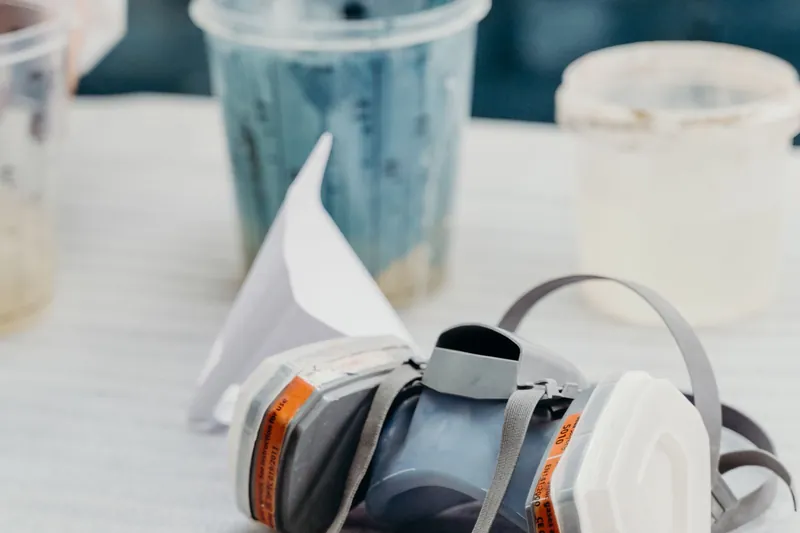
Meth lab cleanup with residue testing, decontamination and clearance steps.
See meth lab cleanup
Rooms, vehicles and exposed surfaces receive decontamination following fentanyl exposure.
See fentanyl decontaminationYour policy may apply based on why the material was released and the specific coverage terms, exclusions, limits and deductible. Once urgent safety calls are complete, tell your insurance company what caused the release without touching the substance. Request coverage details for testing, later restoration, personal property, contamination cleanup, damaged building materials and hazardous waste disposal.
One and Done Prep's Hazmat Cleaning Cost guide lists $4,000 to $40,000 per job for small to mid-size spaces and $6 to $20 per square foot for initial cleanup and containment. Contaminant type, affected area, access conditions, containment needs, protective equipment, waste disposal, permits and inspections all influence the price.
No safe timeline can be set before crews identify the contaminant and establish the cleanup scope. An identified hazard contained in a defined space is easier to scope than material requiring special disposal or spreading through hidden paths and several rooms. Identification, containment, cleaning, removal, waste handling, repairs and any required inspection can each affect when the property is ready.
Biological and chemical hazards may both be within the work of hazmat cleaning companies, but each calls for distinct skills, protective equipment and disposal routes. Share details about the substance, quantity, container and affected surfaces during your call. If the spill is active, reacting or causing breathing trouble, leave the area and call 911 before arranging cleanup.
Access to the affected area is restricted, and cleanup technicians use protective gear matched to possible contact. Surface disinfection follows removal of blood or bodily fluids, using an EPA-registered product for its full labeled contact time. Crews package contaminated materials that cannot be decontaminated, then direct them to the waste process required by area rules.
Identify the substance first, without opening, sniffing or mixing it. Use instructions from the label or Safety Data Sheet while making sure everyone stays away. The material involved and applicable local requirements determine disposal. Keep unidentified chemicals, used absorbent and leaking containers out of ordinary garbage unless clear instructions for the material specifically permit household disposal.
Discreet, respectful hazmat cleanup, 24 hours a day, with crews in unmarked vehicles.